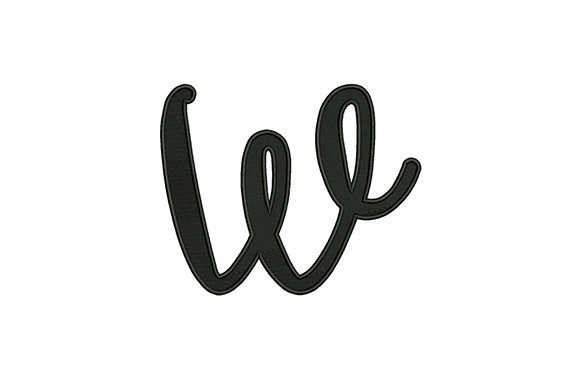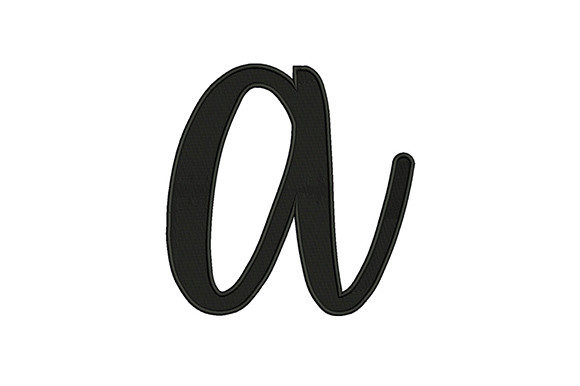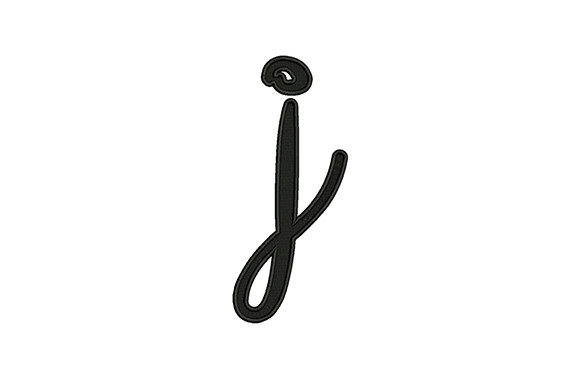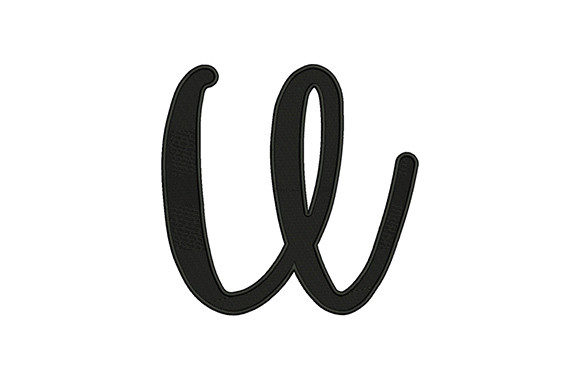
Lower Case Alphabet M for Embroidery
The lowercase letter "m" is a simple yet versatile character that holds significance in many areas, from language to design. When it comes to machine embroidery, the lowercase alphabet "m" can be a powerful element in creating personalized and professional-looking projects. Whether you're an experienced embroiderer or just starting out, understanding how to use this character in your designs can open up new creative possibilities.
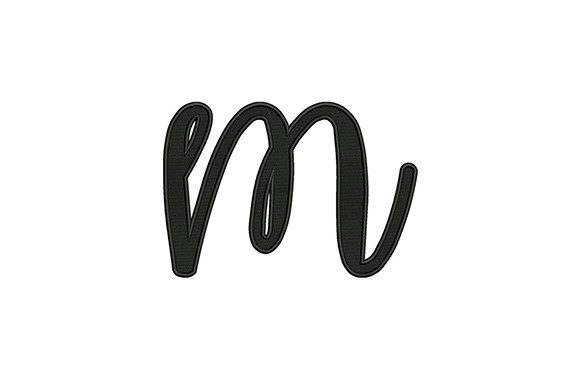
This high-quality embroidery design features the lowercase "m" in a clean, elegant style that works well on a variety of fabrics and garment types. Its simplicity allows it to blend seamlessly into both casual and formal pieces, making it a flexible choice for different applications. The design is optimized for smooth stitching and clear results, ensuring that your finished project looks polished and professional.
Why the Lowercase Alphabet M Matters
The lowercase "m" is more than just a letter—it's a symbol of creativity, precision, and personal expression. In the context of embroidery, it can serve as a standalone element or part of a larger text-based design. For example, it might be used in monogramming, custom t-shirts, or decorative accents on bags and accessories. Its presence in a design can add a subtle touch of sophistication or a unique visual detail that sets a piece apart.
Depending on your goals, the lowercase "m" may carry different meanings. For a beginner, it could represent a first step in learning how to work with embroidery software and machines. For a professional, it might be part of a larger branding effort or a signature element in a collection. Educators might use it as a teaching tool to demonstrate how letters are formed in digital embroidery formats. Business owners could incorporate it into custom products for resale or as part of their brand identity.
How Different Audiences Might Use the Lowercase "M"
For beginners, the lowercase "m" can be a great way to practice working with embroidery files. It's a straightforward shape that allows new users to focus on learning how to load, resize, and stitch out designs without getting overwhelmed by complex patterns. This makes it an excellent starting point for those looking to build confidence in their embroidery skills.
Experienced users, on the other hand, may appreciate the versatility of the design. They might use the lowercase "m" as part of a larger text block, such as a name, slogan, or phrase. Because it's available in multiple file formats, it can be easily adapted to fit different machines and software, giving users greater control over their creative process.
Creators and artists might see the lowercase "m" as a source of inspiration. It could be used in abstract designs, mixed-media projects, or as a recurring motif in a series of works. Its minimalist form allows it to be reinterpreted in various ways, making it a valuable asset for those who want to explore different styles and techniques.
Professionals in the fashion or textile industries may value the lowercase "m" for its reliability and adaptability. It can be used in mass-produced items, such as branded apparel or promotional merchandise, where consistency and quality are essential. Its compatibility with a wide range of machines also makes it a practical choice for businesses that need to produce items quickly and efficiently.
Educators and hobbyists might find the lowercase "m" useful for teaching or personal projects. It can be used to demonstrate basic embroidery concepts, such as thread tension, stitch density, and fabric selection. For hobbyists, it offers a way to personalize items like aprons, towels, or pillowcases with a touch of individuality.
Key Considerations When Using the Lowercase "M" Design
When evaluating whether the lowercase "m" embroidery design is right for your needs, consider your priorities. If ease of use is important, look for a design that is well-documented and compatible with your machine. If cost is a factor, check if the design offers good value for its price. For those focused on quality, ensure that the design is well-optimized and produces consistent results across different materials.
Flexibility is another key consideration. The availability of multiple file formats means that the design can be used with a variety of embroidery machines, which is especially beneficial for users who work with different systems. This flexibility also allows for easier adjustments, such as resizing or modifying the design to fit specific projects.
Presentation and speed are also worth thinking about. A well-designed "m" can enhance the overall look of a project, while a poorly executed one might detract from it. For those working on time-sensitive projects, the reliability and efficiency of the design can make a big difference in workflow.
For those interested in long-term usefulness, the lowercase "m" can be a valuable addition to an embroidery library. It can be reused in multiple projects, helping to streamline the design process and reduce the need for new files. This makes it a smart investment for anyone who regularly uses embroidery in their work or hobbies.
Practical Examples for Different Users
If you're a small business owner selling custom embroidered items, the lowercase "m" could be used in personalized gifts, such as monogrammed towels or tote bags. Its clean lines make it easy to read and visually appealing, which can help attract customers looking for quality and style.
A teacher or educator might use the lowercase "m" in a classroom setting to teach students about typography, design principles, or the technical aspects of embroidery. It can serve as a hands-on example of how digital files translate into physical creations.
For a hobbyist, the lowercase "m" could be part of a DIY project, such as adding a personal touch to a quilt or a handmade gift. It offers a simple yet meaningful way to express creativity without requiring advanced skills or expensive equipment.
Whether you're a beginner exploring the world of embroidery or a seasoned professional looking for reliable designs, the lowercase "m" offers a range of benefits. By considering your specific needs and goals, you can determine whether this design is the right fit for your next project.