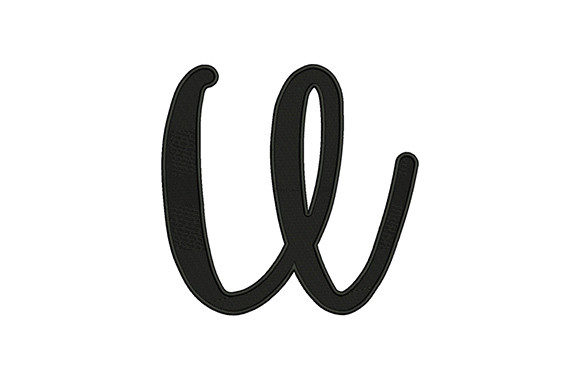
Lower Case Alphabet U: A Guide to Design Type Machine Embroidery
The lower case letter "u" is a simple yet essential character in typography, often used in words like "you," "use," and "true." For those involved in machine embroidery, the design of a lowercase "u" can significantly impact the overall look and quality of an embroidered piece. Whether you're a hobbyist or a professional, understanding how to choose and use the right design type for a lowercase "u" is crucial for achieving the desired results.
Understanding Machine Embroidery File Formats
Machine embroidery designs come in various file formats, each with its own unique characteristics and compatibility. When working with a lowercase "u," it's important to know which file formats are suitable and how they affect the final outcome. Common formats include 10O, ART, CND, DSB, DST, DSZ, EXP, HUS, JEF, JEF, PCS, PEC, PES, SEW, TAP, VIP, VP3, VP4, and XXX. Each format has specific uses and may be supported by different embroidery machines and software.
For example, the DST format is widely used and compatible with most commercial embroidery machines, while the PES format is popular among domestic machines. Understanding these differences ensures that your lowercase "u" design will work seamlessly with your equipment and software.
Common Mistakes When Working with Lower Case Alphabet U
One common mistake when working with a lowercase "u" is choosing the wrong file format. Using an incompatible format can lead to distorted or incomplete embroidery, which can be frustrating and costly. Another mistake is not checking the color configuration before starting a project. Many designs use a single color, but some may require multiple colors, which can affect the appearance and complexity of the design.
Additionally, some users overlook the importance of stitch density and placement. A poorly designed lowercase "u" may appear jagged or uneven, especially if the stitches are too close together or not properly spaced. This can result in a less professional-looking finished product.
Why Color Changes Matter
When working with a lowercase "u," it's important to consider the number of color changes required. Some designs may have zero color changes, meaning the entire letter is stitched in one color. Others may require multiple color changes, which can add time and complexity to the embroidery process. If you're using a single-color design, make sure it matches your project's requirements to avoid unnecessary complications.
Practical Tips for Choosing the Right Design
To avoid common mistakes, start by identifying the specific needs of your project. Ask yourself: What size and style of lowercase "u" do I need? What file format is compatible with my machine? How many colors will be used? These questions can help guide your decision-making process.
Before downloading or purchasing a design, check the specifications provided by the seller. Look for details such as the number of colors, stitch count, and recommended hoop size. These factors can greatly influence the success of your embroidery project.
Checking Before You Start
Before using a lowercase "u" design, always preview it in your embroidery software. This allows you to see how the letter will look on fabric and identify any potential issues. Pay attention to the flow of the stitches and the overall shape of the letter. If something looks off, consider adjusting the design or selecting a different one.
Realistic Examples and Better Approaches
Imagine you're creating a custom t-shirt with the word "true" embroidered on it. If your lowercase "u" appears distorted or misshapen, it could detract from the overall design. To avoid this, choose a high-quality design that is specifically created for machine embroidery. Look for files that have been tested and verified for accuracy and consistency.
Another example is when working with a multi-color design. If you're not careful, the transition between colors may look abrupt or unprofessional. To improve the appearance, ensure that the design includes smooth transitions and proper stitching techniques.
Conclusion: Making Informed Choices
Choosing the right design for a lowercase "u" involves more than just selecting a file. It requires understanding the technical aspects of embroidery file formats, color configurations, and design quality. By taking the time to research and evaluate your options, you can avoid common pitfalls and achieve better results in your embroidery projects.
Whether you're a beginner or an experienced embroiderer, paying attention to these details can make a big difference in the final outcome. Always prioritize quality, compatibility, and clarity to ensure that your lowercase "u" looks great every time.