Periodic Table Alphabet I: A Unique Touch for Science Enthusiasts
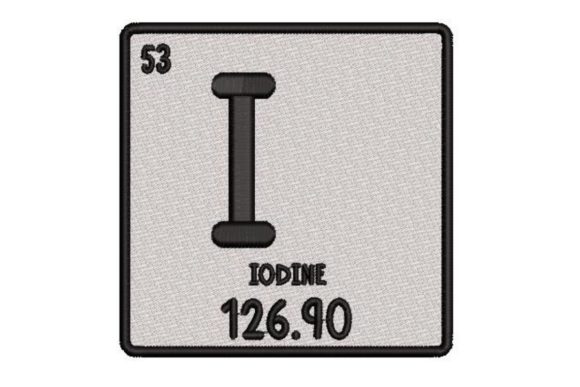
For parents and educators looking for creative ways to engage children in science, the Periodic Table Alphabet I offers a fun and educational solution. This design features the chemical element Iodine, represented by the symbol I and atomic number 53. It's more than just a decorative element—it's a way to spark curiosity about chemistry and make learning more interactive.
The Periodic Table Alphabet I is particularly appealing to kids who love science. Whether it's for a school project, a homemade outfit, or a personalized item, this design adds a unique touch that can turn ordinary items into conversation starters. Its versatility makes it ideal for use on clothing, bags, or even as part of a classroom display.
Understanding the Periodic Table Alphabet I
The Periodic Table Alphabet I is part of a larger set of designs that spell out words using elements from the periodic table. Each letter corresponds to an element, with its symbol and atomic number. For example, the letter "I" represents Iodine, which has the symbol I and atomic number 53. This approach helps students memorize elements while also learning about their properties and uses.
Many people are drawn to these designs because they combine education with creativity. They’re perfect for STEM-focused classrooms, science fairs, or even personal hobbies. However, there are several factors to consider when choosing and using the Periodic Table Alphabet I.
Common Mistakes When Using the Periodic Table Alphabet I
One common mistake is not verifying the accuracy of the design. While most Periodic Table Alphabet I patterns are based on standard element symbols, some may have errors or outdated information. Before purchasing or applying a design, double-check that the symbols and numbers match official sources.
Another issue is selecting the wrong file format. The Periodic Table Alphabet I often comes in multiple embroidery formats, such as DST, PES, or HUS. If you don’t have the right software or machine to open these files, the design may not work as intended. Always confirm compatibility with your embroidery equipment before making a purchase.
Some users also overlook the importance of proper placement. The Periodic Table Alphabet I should be positioned in a way that’s both visually appealing and functional. For example, if you're adding it to a child’s shirt, ensure the design isn’t too small or in a spot that might get easily damaged.
How Mistakes Can Affect Results
Incorrect or poorly applied Periodic Table Alphabet I designs can lead to dissatisfaction. If the lettering is unclear or the design doesn’t fit well, it may not serve its purpose. In educational settings, this could hinder learning rather than enhance it.
Additionally, using the wrong file format can result in wasted time and money. If the design doesn’t work on your machine, you may need to return it or seek alternative solutions. This can be frustrating, especially if you’re working on a tight deadline or budget.
Improper placement can also reduce the longevity of the design. If the Periodic Table Alphabet I is placed in a high-friction area, it may wear out faster. This is especially important for children’s clothing, where durability is key.
Practical Tips for Better Outcomes
To avoid these issues, start by researching the Periodic Table Alphabet I thoroughly. Look for reviews or testimonials from other users to ensure the design is accurate and well-made. Many online retailers offer sample images or downloadable previews, which can help you assess quality before purchasing.
Before downloading or buying any design, check the file formats available. Make sure they are compatible with your embroidery machine. If you're unsure, reach out to the seller for clarification. Most providers are happy to help and can guide you toward the right option.
When applying the Periodic Table Alphabet I, follow the manufacturer’s instructions carefully. Use the recommended stabilizers and threads to ensure the design looks clean and lasts longer. For clothing, consider placing the design in a less vulnerable area to prevent damage from frequent use.
What to Check Before Making a Decision
Before committing to the Periodic Table Alphabet I, ask yourself a few key questions. Is the design accurate? Does it match your needs and goals? Are the file formats suitable for your equipment? Will the placement be practical and long-lasting?
Also, think about the audience. If you're using it for a child, ensure the design is safe and age-appropriate. If it's for an educational setting, verify that it aligns with curriculum standards or learning objectives.
Finally, compare different options. Some designs may offer additional features, such as multiple sizes or color variations. Taking the time to evaluate these choices can lead to better results and greater satisfaction.
Conclusion: Making the Most of the Periodic Table Alphabet I
The Periodic Table Alphabet I is a valuable tool for engaging children in science and adding a creative flair to everyday items. By avoiding common mistakes and following best practices, you can ensure that the design enhances both learning and enjoyment.
Whether you're a parent, teacher, or hobbyist, the Periodic Table Alphabet I offers a unique opportunity to bring chemistry to life. With careful planning and attention to detail, you can create something both meaningful and memorable.