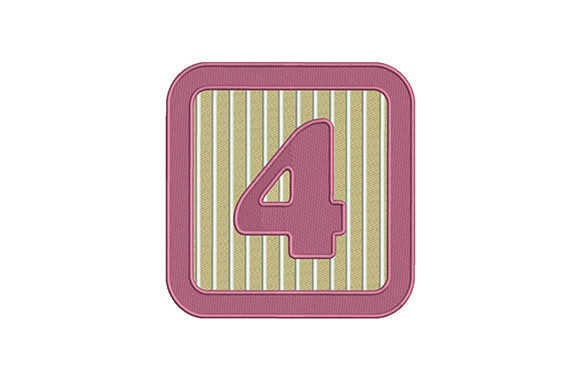
Number Four: A Versatile Embroidery Design for Creative Back-to-School Projects
Number Four is a machine embroidery design that has gained attention for its simplicity, adaptability, and wide range of applications. Whether you're an educator looking to personalize classroom materials or a hobbyist seeking a new creative outlet, this design offers a practical solution that can enhance various projects. Its straightforward nature makes it accessible to both beginners and experienced embroiderers alike.
Understanding Number Four
At its core, Number Four is a minimalist yet effective embroidery pattern that can be customized to suit different needs. The design features clean lines and a clear visual identity, making it ideal for use in a variety of contexts. It is available in multiple file formats, ensuring compatibility with most modern embroidery machines. This versatility is one of its key strengths, as it allows users to integrate the design into their existing workflow without significant adjustments.
The design's simplicity also contributes to its appeal. Unlike more complex patterns that require advanced skills or specialized equipment, Number Four can be stitched with minimal effort. This makes it a great option for those who want to add a personal touch to their work without investing too much time or resources.
Key Characteristics and Practical Value
One of the standout features of Number Four is its flexibility. The design can be used in a wide array of projects, from personalized school supplies to custom apparel and home decor. Its neutral aesthetic ensures that it complements a variety of styles and color schemes, making it a valuable addition to any creative toolkit.
Another important aspect is the quality of the design itself. Number Four is crafted with precision, ensuring consistent results across different fabric types and embroidery machines. This reliability is crucial for users who need dependable outcomes, especially when working on larger projects or client orders.
The availability of multiple file formats further enhances its usability. Whether you're using a domestic machine or a commercial-grade system, you can likely find a version of the design that works for your setup. This reduces the barriers to entry for new users and provides peace of mind for those already invested in embroidery technology.
Real-World Performance and Usability
In practice, Number Four performs well across a range of scenarios. For example, educators might use it to create custom name tags, backpacks, or book covers for students. The design’s clarity ensures that it remains legible even after repeated washing, which is essential for items that see frequent use.
Entrepreneurs and small business owners may find value in incorporating Number Four into their product lines. Whether selling embroidered tote bags, uniforms, or promotional items, the design offers a professional look that can elevate the overall presentation of their offerings. Its ease of use also means that production times can be kept manageable, allowing for quicker turnaround on orders.
For hobbyists, the design provides a canvas for experimentation. Users can play with different thread colors, fabric textures, and placement options to create unique pieces. This level of customization encourages creativity while maintaining the integrity of the original design.
Strengths and Limitations
Number Four excels in areas such as usability, consistency, and adaptability. Its straightforward nature makes it easy to implement, while its high-quality construction ensures reliable results. These factors contribute to its long-term value, as users can rely on it for both one-off projects and ongoing use.
However, it is worth noting that the design’s simplicity may not appeal to everyone. Those seeking intricate or highly detailed patterns may find Number Four too basic for their needs. Additionally, while the design is versatile, it may not be the best choice for projects that require a more distinctive or eye-catching element.
Despite these limitations, Number Four remains a strong option for users who prioritize efficiency and practicality. Its ability to blend seamlessly into different projects makes it a go-to choice for many creators.
Who Benefits Most from Number Four?
Number Four is particularly beneficial for individuals involved in education, small-scale manufacturing, and creative entrepreneurship. Educators can use it to personalize learning materials, while small business owners can incorporate it into their product designs. Hobbyists and DIY enthusiasts will appreciate its ease of use and adaptability.
For professionals who work with embroidery regularly, the design offers a reliable and efficient solution that fits into existing workflows. Its compatibility with multiple machines and file formats ensures that it can be integrated without disruption, making it a practical choice for busy creatives.
Additionally, users who are new to embroidery may find Number Four to be an excellent starting point. Its simplicity allows them to build confidence while exploring the possibilities of machine embroidery. As they gain experience, they can experiment with more complex designs, but the foundational skills developed with Number Four can serve as a solid base.
Recommendations and Final Thoughts
If you’re looking for a machine embroidery design that balances simplicity with versatility, Number Four is a strong candidate. Its clean aesthetic, reliable performance, and wide range of applications make it suitable for a variety of projects and users. Whether you're enhancing back-to-school supplies, creating custom merchandise, or simply exploring embroidery, this design offers a practical and effective solution.
Consider your specific needs and project goals before deciding. If you value efficiency, consistency, and ease of use, Number Four is likely to meet your expectations. For those seeking more complexity or customization, alternative designs may be more appropriate. However, for the majority of users, Number Four represents a smart and useful investment in their creative toolkit.