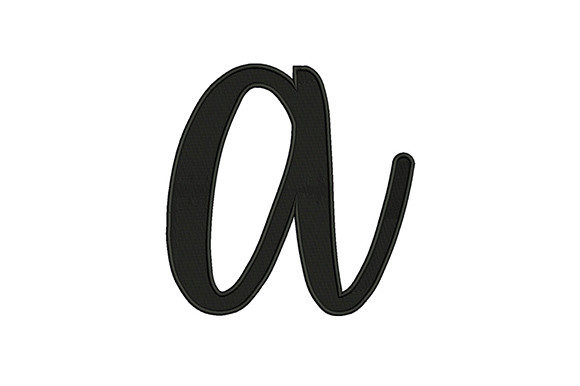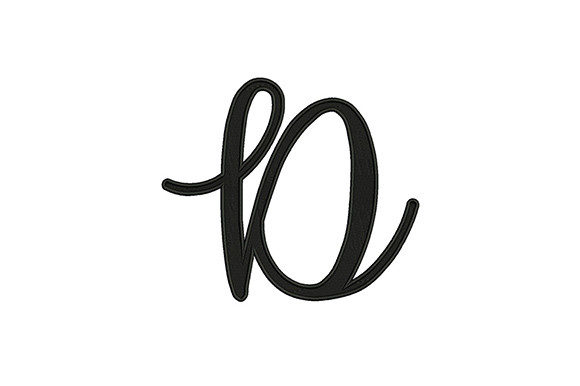
Alphabet D: A Versatile Embroidery Design for Creative Projects
Alphabet D is more than just a letter—it's a powerful tool for personalization and creativity. Whether you're looking to add a unique touch to your wardrobe, craft meaningful gifts, or enhance your branding efforts, this embroidery design offers endless possibilities. Its adaptability across various fabrics and projects makes it a favorite among both hobbyists and professionals.
Understanding the nuances of Alphabet D can help you make informed decisions that lead to better results. From choosing the right file formats to applying it on different materials, there are several factors to consider. Let's explore what makes Alphabet D valuable and how to use it effectively without common pitfalls.
Why Alphabet D Stands Out in Embroidery
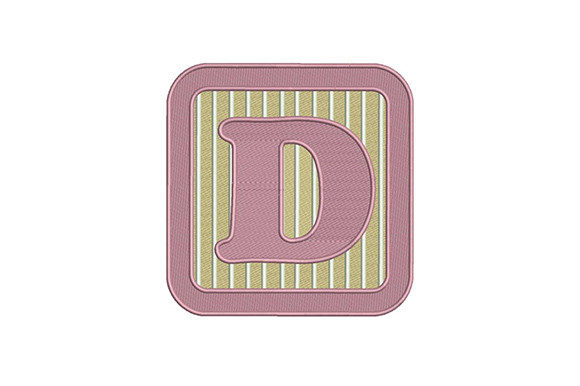
Alphabet D is designed with precision and versatility in mind. Its clean lines and recognizable shape make it ideal for a wide range of applications. You can stitch it onto t-shirts, sweatshirts, fabric-covered notebooks, and even personalized gifts like mugs or bags. Its simplicity allows it to blend seamlessly into both casual and formal designs.
The appeal of Alphabet D lies in its ability to convey clarity and style. Whether used as a standalone piece or part of a larger text, it adds a professional and polished look. For educators, entrepreneurs, and creatives, this design offers a way to express ideas with visual impact.
Common Mistakes When Using Alphabet D
Despite its popularity, many users encounter challenges when working with Alphabet D. One frequent mistake is selecting the wrong file format for their embroidery machine. Different machines support different file types, such as DST, PES, JEF, and EXP. Choosing an incompatible format can lead to poor stitching quality or even damage to the design.
Another common oversight is not checking the size and scale of the design. Alphabet D comes in multiple sizes, but if you don't adjust it properly for your project, it might look too large or too small. This can affect the overall aesthetics and usability of the finished product.
Some users also fail to consider the fabric type before stitching. While Alphabet D works well on most textiles, certain materials may require adjustments in thread tension or stabilizers. Ignoring these details can result in puckering, distortion, or uneven stitches.
How These Mistakes Affect Your Results
Selecting the wrong file format can cause technical issues that prevent the design from being stitched correctly. If your machine doesn't support the format you've downloaded, you may need to convert it, which can be time-consuming and frustrating. This can also lead to additional costs if you have to purchase new files or hire someone to fix the issue.
Incorrect sizing can lead to a mismatched appearance. If the letter is too big for the space, it may overwhelm the design, while a too-small version might be hard to read. This can reduce the effectiveness of the design, especially if it's meant for branding or communication purposes.
Ignoring fabric compatibility can result in poor stitch quality. For example, lightweight fabrics may require a stabilizer to prevent stretching, while heavier materials might need a different needle or thread type. Failing to account for these factors can lead to unsatisfactory results and wasted time.
Practical Tips for Using Alphabet D Effectively
To avoid these issues, start by verifying the file formats supported by your embroidery machine. Most designs come with multiple options, so choose the one that matches your equipment. If you're unsure, consult the manufacturer's guidelines or reach out to the seller for assistance.
Before stitching, test the design on a small piece of fabric similar to what you'll be using. This helps you check the size, color, and placement. It also allows you to adjust settings like stitch density or thread tension for optimal results.
Consider the purpose of your project when selecting the design. If you're creating a gift, you might want a bolder version of Alphabet D. For a subtle detail on a notebook, a smaller size could be more appropriate. Tailoring the design to your needs ensures it serves its intended function well.
What to Check Before Making a Decision
Before purchasing or downloading Alphabet D, review the specifications provided by the seller. Look for details about the available file formats, recommended machine types, and suggested fabric types. This information helps you determine if the design will work for your specific use case.
Read user reviews and ask questions if something isn't clear. Other embroiderers may have encountered similar challenges and can offer valuable insights. This proactive approach saves time and prevents costly mistakes down the line.
Finally, consider the cost versus the value. While some designs may seem inexpensive, they might require additional tools or modifications to use effectively. Investing in high-quality files and proper supplies can lead to better long-term results.
Maximize the Potential of Alphabet D
With the right approach, Alphabet D can become a go-to design for your creative projects. By avoiding common mistakes and following practical advice, you can achieve professional-looking results every time. Whether you're a beginner or an experienced embroiderer, this versatile letter offers a reliable way to add personality and style to your work.
Take the time to understand your tools and materials, and you'll unlock the full potential of Alphabet D. With careful planning and attention to detail, you can create beautiful, functional, and meaningful embroidery that stands out.